Herzliya Pituach High-Tech Zone in 2026: Microsoft, Apple, SolarEdge and an Office Market With Too Much Space
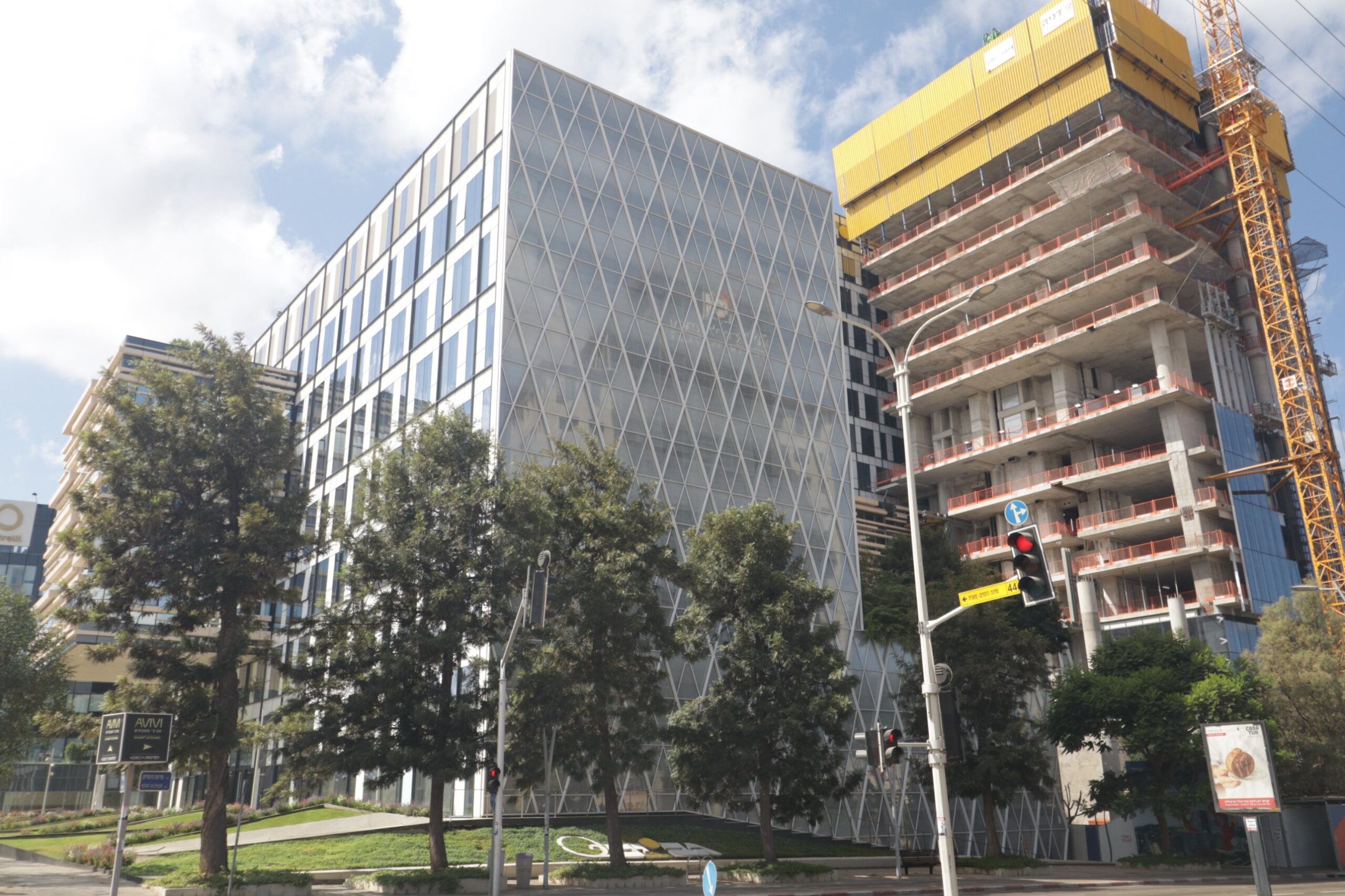
Drive off Highway 2 at the Kfar Shmaryahu interchange on a weekday morning and you join the queue into one of the most valuable square kilometres in Israeli tech. Glass towers line Abba Eban Boulevard, Maskit and Medinat HaYehudim streets. Microsoft is here. So is Apple. SolarEdge runs its global business from a building on HaMada Street. Venture capital firms fill whole floors.
It started out as a light industrial estate wedged between the coastal road and the sea. Today it's one of the anchors of what Israelis call Silicon Wadi. And in 2026 it has a problem it hasn't had before: too many offices.
Who's here
The zone sits in the south-west of Herzliya, between Highway 2 to the east and the marina to the west, with the villas of Herzliya Pituach to the north. The companies that define it:
Microsoft. Its Israeli headquarters is a campus built by the developer Tidhar, with about 45,000 square metres of offices over five levels of underground parking, designed to hold around 2,250 employees.
Apple. Apple came to Herzliya in 2012 when it bought Anobit, a Herzliya Pituach flash-memory chip start-up, for a reported 390 million dollars. Anobit made a component Apple used in the iPhone. Apple kept the team in Israel, and Herzliya Pituach has been home to Apple R&D ever since.
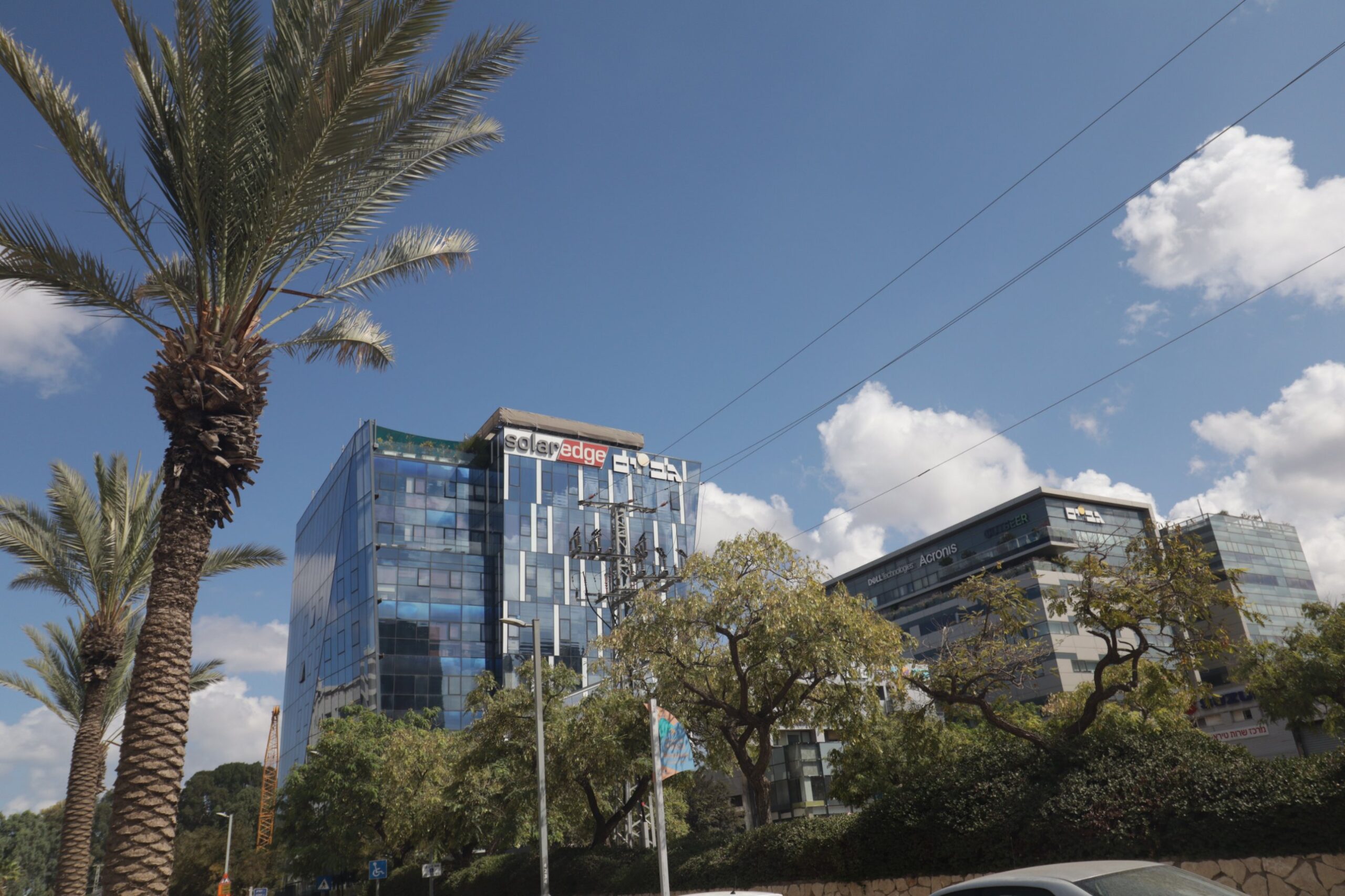
SolarEdge. Founded in 2006, SolarEdge makes inverters, power optimisers, batteries and monitoring systems for solar installations, and it's headquartered at 1 HaMada Street. It's the zone's best-known homegrown public company.
Plarium. The mobile games developer, behind the RAID: Shadow Legends franchise, also has its headquarters in Pituach.
Around them sit dozens of smaller software and cybersecurity companies, R&D offices of foreign firms, law and accounting practices, and a cluster of venture capital funds. Reichman University is on the zone's doorstep and feeds it graduates.
The squeeze
Here's the part the glossy brochures leave out. In January 2026 the business paper Calcalist reported that the office market in Herzliya Pituach was in a tough spot. Occupancy fell two percentage points in 2025 to 96 percent, according to Colliers Israel, the sharpest drop of any market in the country except Jerusalem.
Asking rents sit around 100 shekels per square metre per month, but brokers told the paper that deals often close at 80 shekels or lower. Landlords are offering fit-outs and furniture to sign tenants.
The cause is supply. New towers are going up across the zone, while a big new office complex at Glilot, just south across the city line, has pulled tenants out of Herzliya. The spyware maker NSO Group was among the companies that moved there. Verint has moved part of its operation out. Few large tech firms have arrived to replace them.
Getting to work doesn't help. Traffic on Abba Eban Boulevard is heavy, the railway station is on the far side of Highway 2, and the light rail isn't built yet. A new bike path opened this year.
The plan: from office park to neighbourhood
The city's answer is to stop treating the zone as offices only. In 2023 the Tel Aviv District Planning Committee approved a master plan that renames the area the High-Tech Quarter and allows 3 million square metres of building, mixing homes, offices, shops and hotels. It includes 6,000 apartments, most of them small units of up to 60 square metres, about 750 sheltered housing units for older residents, and buildings of up to 30 storeys.
The plan leans on public transport. It assumes a metro station at Leibowitz and Abba Eban streets and the Green Line light rail branch to Herzliya, and it sets a target that private cars make up no more than half of all trips once the area is complete.
None of that will be finished soon. But the direction is clear. The Herzliya Pituach of the 2030s should look less like a business park that empties at six o'clock and more like a dense, mixed district by the sea.
For more on the Israeli tech companies and chips behind the zone, see Technologies.org.