Herzliya Pituach Neighbourhood Guide: Villas, Embassies and Israel's Most Expensive Street
When Israelis say "Herzliya" with a certain tone, they usually mean Herzliya Pituach. It's the slice of the city west of Highway 2, running along the sea from the marina up to the cliffs at Apollonia, and it's one of the wealthiest addresses in the country.
About 10,000 people live here. The houses are mostly detached villas, many behind walls and hedges, with a few luxury apartment buildings along the seafront and near the marina. Foreign ambassadors live here in numbers, which explains the occasional security post and diplomatic plate on the quieter streets.
From sand dunes to villas
Pituach means "development". The neighbourhood was established in 1925 on sand dunes west of the young farming village, a year after the village itself, and was first known simply as Herzliya G. Over the following decades the coastal strip became the place where successful Tel Aviv families, foreign diplomats and, later, tech founders wanted a house with a garden near the beach.
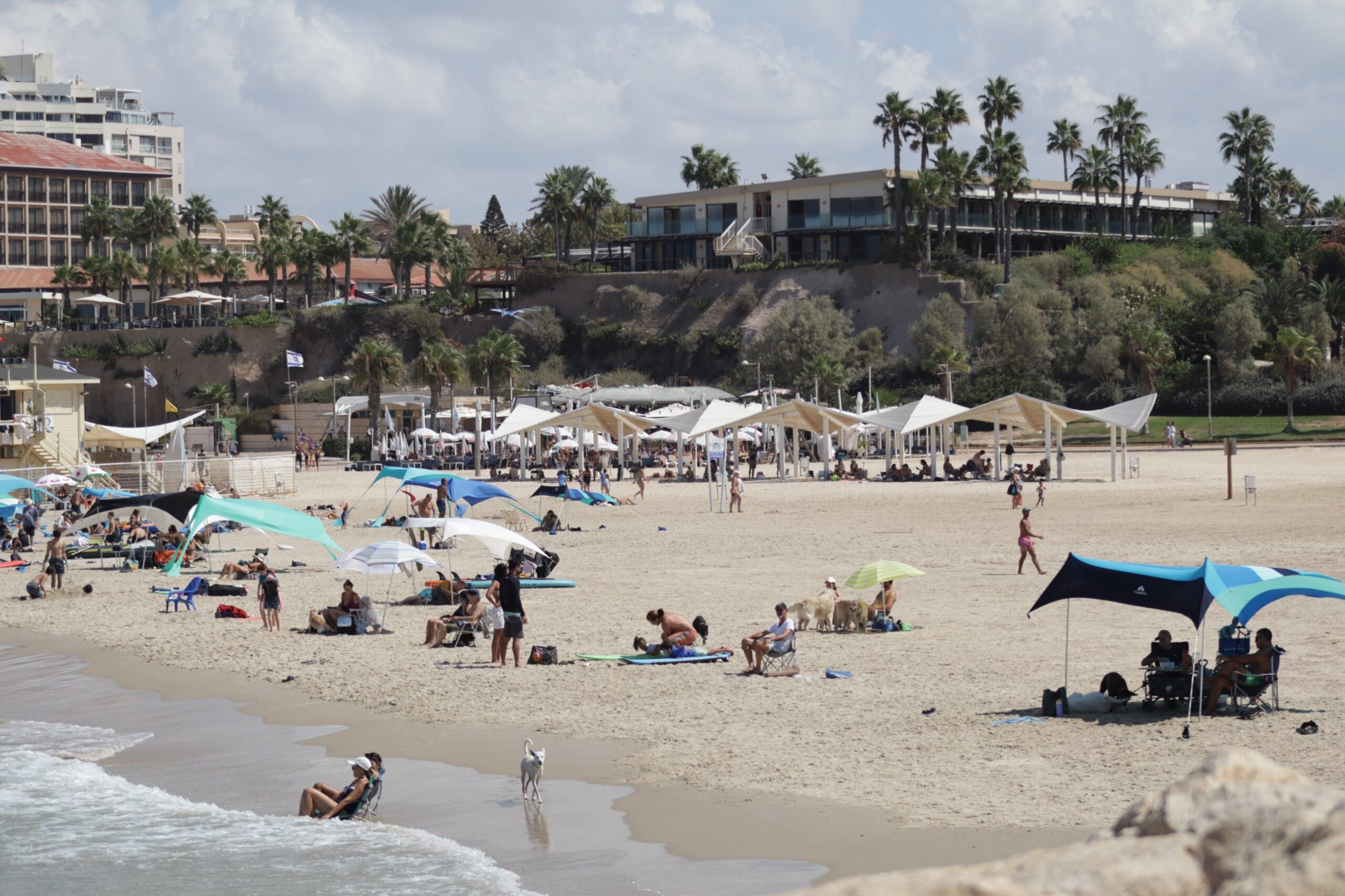
Today it has a bit of everything the rest of the city doesn't: the beach hotels, the marina and the Arena mall, the Herzliya Medical Center, a private hospital on the seafront, and in its south-eastern corner the business district that grew out of an old industrial estate.
Galei Tchelet and the cliff streets
The most famous address is Galei Tchelet Street, which runs along the clifftop above the beach and is often called the most expensive street in Israel. Villas here have direct sea views and several house foreign ambassadors. The streets around it share the same quiet and the same price tags.
North of the hotels, the villa streets spread back from the sea and continue up towards Nof Yam and Apollonia National Park.
What daily life looks like
For residents, Pituach is a small-town neighbourhood with very expensive houses. There are local shops and cafés, synagogues, kindergartens and schools, and the beaches are within walking distance from most streets. The marina and Arena mall cover bigger shopping, and the cafés and restaurants of the business district, on Medinat HaYehudim and nearby streets, fill up at lunchtime with office workers.
The downside is traffic. Most of the city's jobs, hotels and beaches are packed into this western strip, and the interchanges on Highway 2 back up at rush hour and on summer weekends. The railway station is on the far side of the highway, and the light rail isn't built yet.
Who it suits
Pituach is for people who want a house, a garden and the sea, and can pay for it. Diplomats, senior executives at the multinationals in the business park, and Israeli families who've done well make up much of the market. Renters looking at Pituach will find mostly houses and large apartments, and a premium over the rest of Herzliya, which is itself the second most expensive city in Israel after Tel Aviv, with an average apartment price of about 3.97 million shekels at the end of 2025, according to the Central Bureau of Statistics.
For the rest of the city's neighbourhoods, see Herzliya Neighbourhoods Beyond Pituach. For the business district itself, see Herzliya Pituach High-Tech Zone in 2026.